Sleep Better, Live Better Blog

We believe that education is the first step to finding better sleep. Our articles educate people on sleep news, sleep disorders, and sleep care to help them achieve better health and live better lives. 

Thanks for joining the conversation.

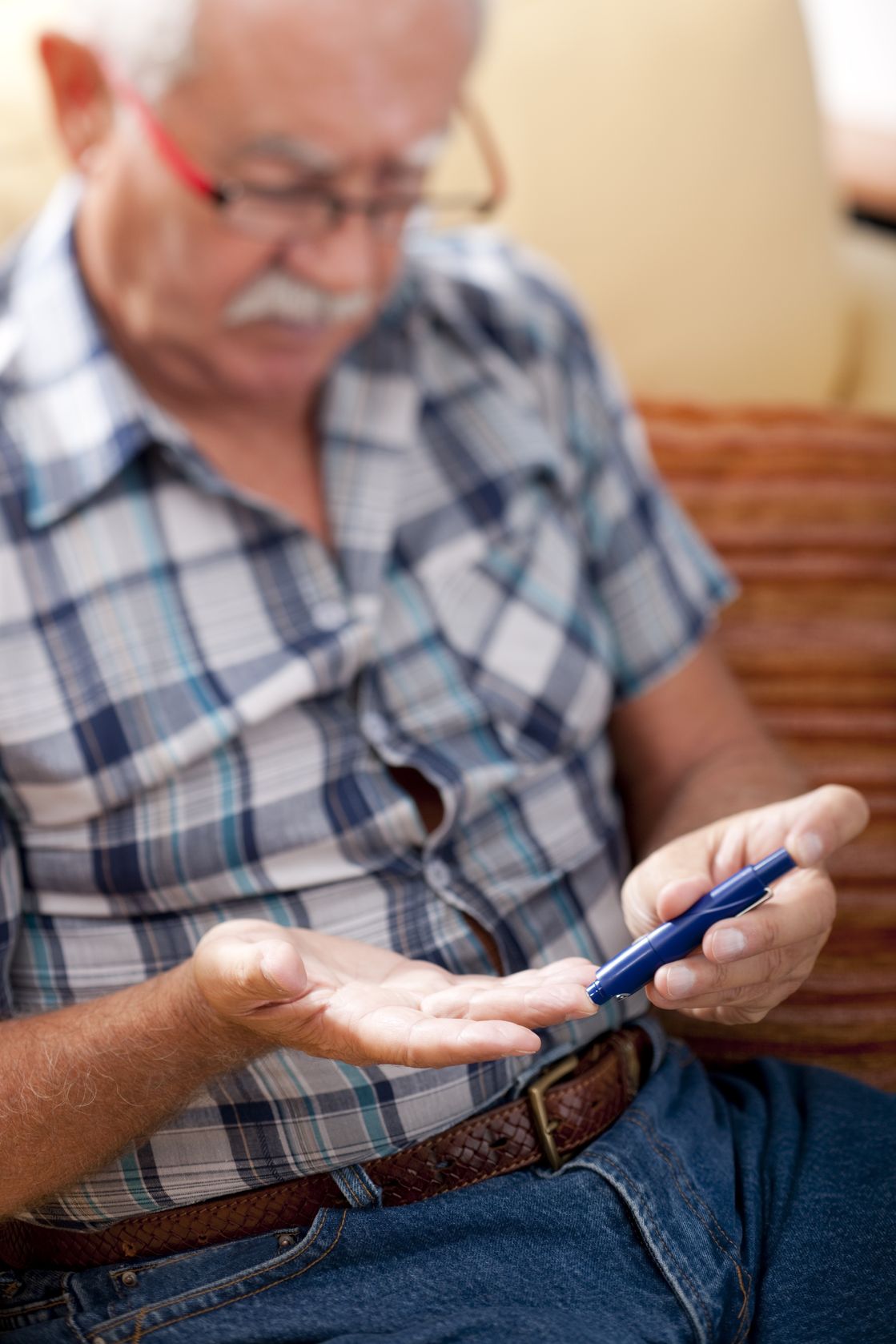
The Link Between Sleep Apnea and Diabetes

Posted by Marissa Fessenden

May 12, 2016 7:00:00 AM

The American Diabetes Association estimates that nearly 30 million Americans live with diabetes.

Even more concerning, diabetes is the 7th leading cause of death in the U.S. The condition can be caused by an autoimmune problem, where the body attacks the cells in the pancreas that produce insulin to keep blood sugar levels in check. This is known as type 1 diabetes. Or, the condition can be type 2 diabetes which arises from insulin resistance--where the body doesn’t respond to insulin and blood sugar remains at abnormal levels. Type 2 diabetes is more common and is not an autoimmune disease but rather a “lifestyle disease” once known as adult-onset or noninsulin-dependent diabetes. There is no cure for type 2 diabetes, but it can be managed and prevented.

Type 2 diabetes is often associated with obesity, high blood pressure and heart disease, but recent research has pinpointed another condition that is linked as well: sleep apnea. 

Read More

Topics: Sleep Apnea, Diabetes

Which Doctor Should I Talk to About My Sleep Problems?

Posted by Julia Steele Rodriguez

May 10, 2016 7:00:00 AM

In a perfect world, you would visit your primary care doctor once a year and spend a solid hour talking about your current health.

She’d ask how your family is doing, your marriage, are you getting regular exercise? Are you eating well and how are you feeling about your job? You might have a list of questions for her and you’d carefully go through each one together. She’d even ask how you’re sleeping at night and if you’re feeling rested.

In the real world, we’re lucky if we get a full 15 minutes of face-to-face time with our doctor each year.

Your doctor probably doesn’t remember your name until she sees your chart and she certainly doesn’t remember your spouse’s name or that you just sent your first child off to college. So, when is the right time to bring up your sleep issues? Should you even be talking to your primary care physician or do you need to see a specialist? Is there even such thing as a sleep doctor?

Read More

Topics: Sleep Apnea

How Much Will a Sleep Study Cost Me?

Posted by Julia Steele Rodriguez

May 6, 2016 10:34:51 AM

Mission control during Apollo 10

Has your doctor ordered a test, medication or specialist visit but can’t tell you what it’s going to cost?

Have you ever been surprised by a huge medical bill when you thought you were covered?

Have you ever postponed a procedure because you weren’t sure what it would cost you?

Have you ever been confused about your insurance coverage for a service that you really needed? 

Figuring out the price and your financial responsibility for a sleep study can be a challenge. We're here to help answer your questions.

Read More

Topics: Sleep Studies, Economics of Sleep Medicine

Driving Drowsy vs. Driving Drunk: the Fatal Mistake Most People Make

Posted by Julia Steele Rodriguez

May 2, 2016 8:00:00 AM

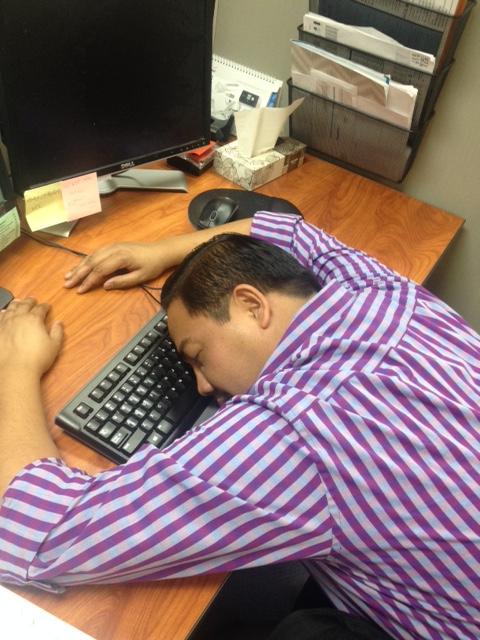
We all know that drinking and driving is dangerous and illegal... but did you know that driving sleepy is just as dangerous as driving drunk? 

Not only do car accidents pose a serious threat for people with chronic sleep disorders such as sleep apnea, but anyone who gets behind a wheel with less than optimal rest could be putting themselves in danger. With a majority of the population admitting to driving while exhausted, that threat of drowsy driving is real.

Read More

Topics: Good Sleep Habits, Job-Related Sleep Disorders

Does My Dog Have Sleep Apnea?

Posted by Julia Steele Rodriguez

Apr 26, 2016 8:00:00 AM

Sleep Apnea in Pets

You may be surprised to learn that dogs, like humans, can suffer from sleep disorders, including sleep apnea.  While snoring is sometimes just innocuous nighttime noise, it can also be a warning sign for an underlying problem. Sleep apnea can be pretty serious for your pooch. The most severe cases can result in death, but even a mild instance can disrupt your dog's sleep.

Symptoms include:

  • Loud and frequent snoring
  • Gasping or choking while sleeping
  • Sleeping during the day
  • Tiredness
  • Irritability

Common causes of sleep apnea in dogs include allergies, being overweight, and obstructions in the dog's airway and nasal passages.

Read More

Topics: Sleep Apnea, Sleep and Society

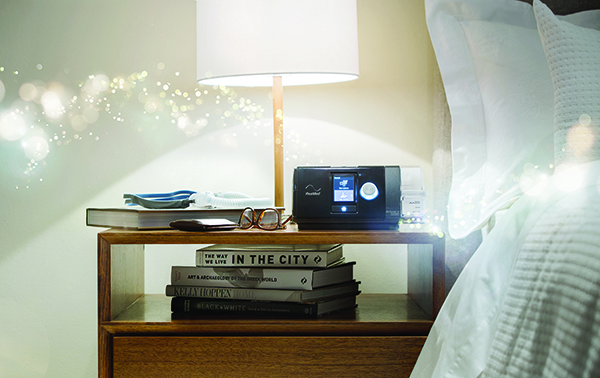
How Often Should You Replace Your CPAP Supplies?

Posted by Julia Steele Rodriguez

Apr 12, 2016 12:03:15 PM

Your CPAP’s accessory equipment is a lot like other frequently used health products, such as your toothbrush or a razor: it deteriorates, ceases to function optimally, and can get germy and unsanitary.

Just like you wouldn’t use the same toothbrush for months on end, it’s important to replace your CPAP equipment to make sure that your machine is as clean, effective, and comfortable as possible. However, unlike a toothbrush, the CPAP equipment may not look worn even though it needs to be replaced. That's why it's important to change your equipment following a schedule.

In this post we'll review the following components of your CPAP that should be replaced an how often you should replace them:

  • Mask
  • Cushions/pillows
  • Headgear/chinstrap
  • Filters
  • Tubing
  • Water chamber
  • CPAP device
Read More

Topics: CPAP Treatment, CPAP Supplies

Will my Insurance Cover CPAP? Frequently Asked Questions About Coverage

Posted by Julia Steele Rodriguez

Apr 12, 2016 7:00:00 AM

If you have a diagnosis of sleep apnea, your insurance company will probably cover the cost of your CPAP or bi-level PAP device; however, coverage varies from plan to plan and so do authorization requirements.

Read more about insurance coverage below. We'll answer the basic questions, like what will I have to pay?, rental vs. purchase and some of the more technical questions, like what are the codes?

Read More

Topics: Health Insurance, CPAP Treatment

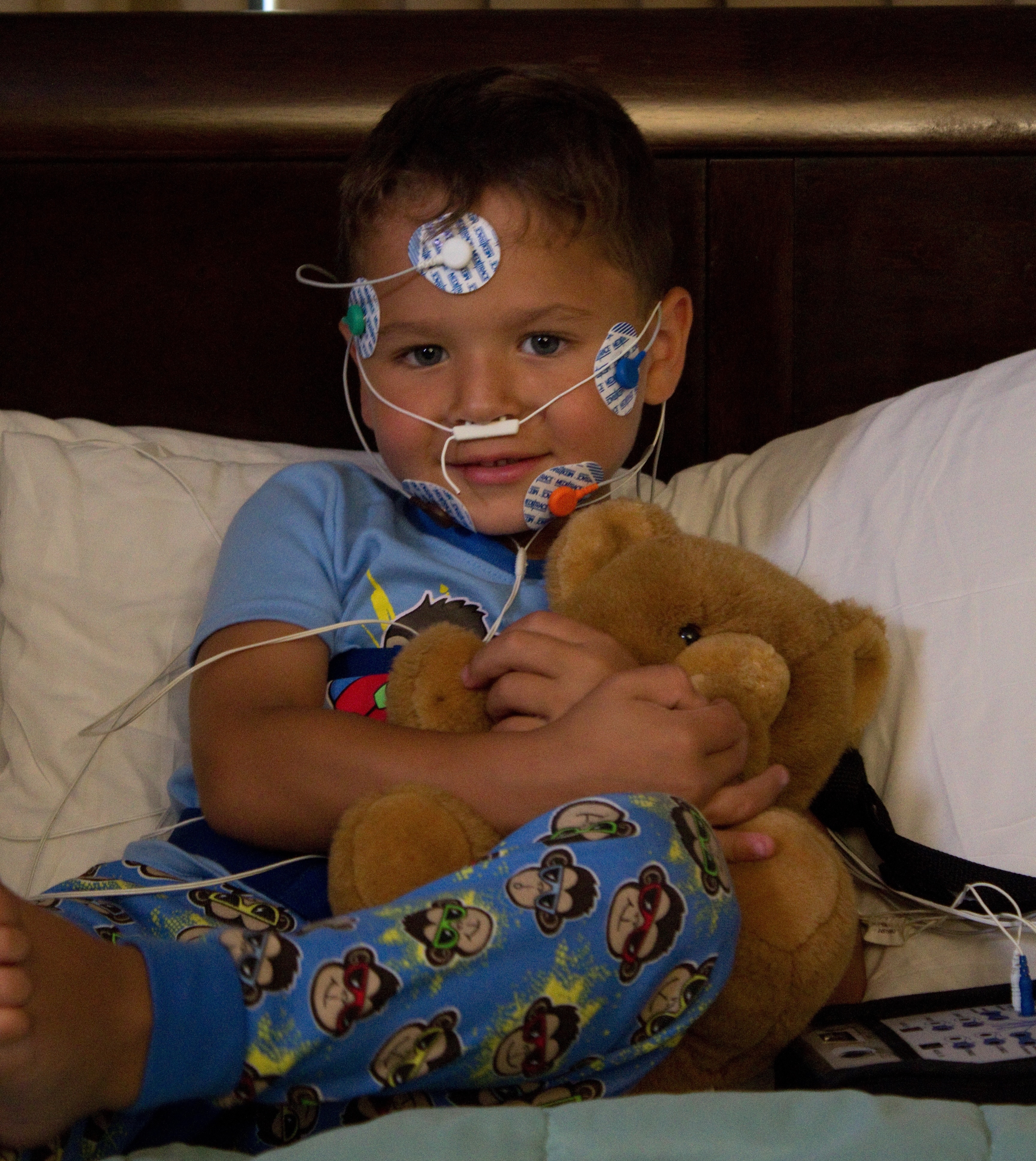
How to Prepare Your Child for His Sleep Study.

Posted by Julia Steele Rodriguez

Mar 31, 2016 8:00:00 AM

25-30 percent of children suffer from some form of sleep disturbance such as sleep apnea, narcolepsy, sleepwalking, bed wetting or night terrors. 2-3 percent of children have sleep apnea. While many childhood sleep issues are not cause for concern, a disturbance that reduces your child’s quality or quantity of sleep on a regular basis can lead to more serious problems including:

- Accidents and injuries
- Behavior problems
- Mood problems
- Memory, concentration, and learning problems
- Performance problems
- Slower reaction times

With the increased importance medical and public health officials are placing on quality sleep, more doctors are recommending that their child patients undergo a sleep study to diagnose or rule out a sleep disorder.  

In a previous post, we described the most common sleep disorders affecting children, along with their symptoms. In this post, we explain what you and your child should expect if your doctor recommends a sleep study.

Read More

Topics: Kids and Sleep

What is the Test for Narcolepsy?

Posted by Julia Steele Rodriguez

Mar 28, 2016 1:00:00 PM

Do you know that it is a serious medical condition? Narcolepsy affects an estimated 1 in 3,000 Americans. And living with the disease is very challenging.

You may have heard of narcolepsy before or recall a movie character hysterically falling asleep while walking. Our favorite TV dad, Homer Simpson, was diagnosed with narcolepsy in the premiere episode of the 27th season of The Simpsons after sleeping through a workplace fire that badly burned him. Homer used his doctor's note to get out of doing household chores, driving Marge to file for legal separation. The episode is hilarious, but also highlights some of the real-life consequences of this sleep disorder.

We'll look into the causes, diagnosis and treatment for this sleep disorder.

Read More

Topics: Sleep Studies, Narcolepsy

10 of the Biggest Myths About Sleep

Posted by Julia Steele Rodriguez

Mar 9, 2016 9:00:00 AM

1. The older you get, the fewer hours of sleep you need.

Sleep experts recommend a range of seven to nine hours of sleep for the average adult. While sleep patterns change as we age, the amount of sleep we need generally does not. Older people may wake more frequently through the night and may actually get less nighttime sleep, but their sleep need is no less than younger adults. Because they may sleep less during the night, older people tend to sleep more during the day. Naps planned as part of a regular daily routine can be useful in promoting wakefulness after the person awakens. Learn more about recommended sleep duration guidelines by age group here.

Read More

Topics: Good Sleep Habits, Sleep and Society

Share this blog post:


Subscribe to Email Updates

Most viewed posts

Recent Posts

undefined