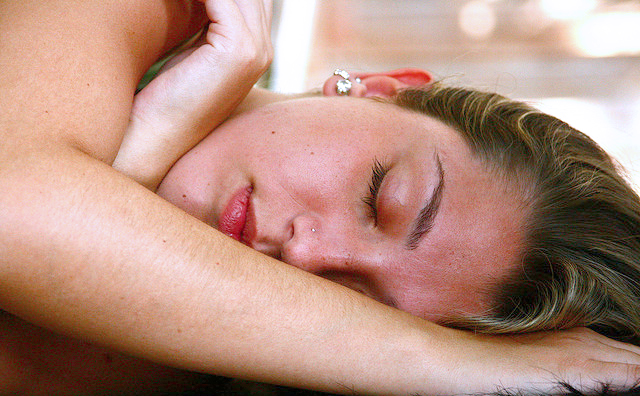
Decreasing libido, or decreasing sex drive, is a common problem in women. In fact, one estimate is that almost 1/3 of women between ages 18 and 59 suffer from a low sex drive. It's normal for women to experience fluctuations in libido, and such dips can be caused by anything from stress to changing hormones. But according to a new study, there is a simple way for women to increase their sexual interest: getting more sleep.

Sleep is critical, but many people just can't get enough. As that mid-afternoon slump hits, you may find it hard to focus. Where did you leave your glasses? Did you answer that email? When you're not getting enough sleep, short and long-term memory formation suffers. Fortunately, we have some good news for you!
Topics: Good Sleep Habits
Sometimes, you need a before-bed snack to help quiet your stomach before nodding off for the night. But the type of foods that you choose before going to bed can affect the quality of your sleep. When you open that cupboard, you want to make sure that you're chosing foods that are good for your sleep, not snacks that will keep you tossing and turning all night.
Check out our list of tips on what to eat before bed!
Topics: Good Sleep Habits, Sleep and Society
Everyone has had trouble sleeping at some point in their lives. Maybe nerves about an upcoming presentation, a late-afternoon nap, or a hefty before-bed snack kept you up into the wee hours of the night. The next day probably wasn't one of your best--maybe you felt sluggish, exhausted, and irritable.
But for insomniacs, this experience can become a common one. Here are the signs, causes, and potential treatments for insomnia.
Topics: Sleep Disorders, Good Sleep Habits
Do you remember having braces when you were little? Or have you ever had to wear a retainer at night? Then it will be easy for you to picture this type of sleep apnea treatment!
Dental devices are appliances that are worn in the mouth during sleep to help you breathe better. Can a simple oral piece really prevent the effects of sleep apnea?
Topics: Sleep Apnea, Treating Sleep Apnea
Two Types of Sleep Apnea: Obstructive and Central
Posted by Julia Steele Rodriguez
Mar 19, 2015 8:00:00 AM
If you're at all familiar with sleep disorders, you've heard the term OSA, standing for obstructive sleep apnea. In fact, OSA is often used interchangeably with "sleep apnea". But they're not the same thing. OSA is only a certain type of sleep apnea, which can be caused by multiple factors. This article will teach you more about the different types and causes of sleep apnea.
Topics: Sleep Apnea
The Truth About Sleep Apnea and Heart Disease
Posted by Julia Steele Rodriguez
Mar 14, 2015 9:47:00 AM
What do sleep apnea and heart disease have in common? More than you might think. The symptoms of sleep apnea put strain on the heart and body, and there is a demonstrated connection between the two conditions.
Topics: Sleep Apnea, CPAP Treatment
Have you ever been trying to sleep in the same room with someone who snores like a freight train? It can be about as easy as sleeping on a bed of gravel. But unfortunately, that snoring could indicate deeper issues than a need for earplugs.
In fact, snoring is one of the most visible symptoms of sleep apnea, as well as gasping, choking, or cessation of breathing during the night. That's why oftentimes bed partners are the first ones to notice that their loved ones have a sleep disorder. Read on to figure out what to keep an eye out for in your partner.
Topics: Sleep Disorders, Sleep Apnea, Sex and Sleep
The Link Between Sleep Apnea and Heart Disease
Posted by Julia Steele Rodriguez
Mar 7, 2015 8:00:00 AM
There is a strong--and scary--connection between sleep apnea and heart disease. In fact, people with severe untreated sleep apnea are five times more likely to die from heart disease. Another study found that individuals with sleep apnea are twice as likely to experience sudden cardiac death. Sleep apnea has been linked to high blood pressure, atrial fibrillation, heart attacks and strokes; it has also been connected to high rates of diabetes and kidney disease.
Topics: Sleep Apnea
Sleep apnea is a very prevalent condition--in fact, an estimated 1 in 5 American adults has the sleep disorder.
By that number, we should all be able to name at least a handful of people with sleep apnea. But in fact, 80% of sleep apnea cases go untreated and most people don't even know they have it. Those with sleep apnea don't usually remember waking up during the night and might brush off their symptoms as just being tired. And the only way to know for sure if you have the condition is to be tested for it.
So here are our top 5 reasons why you should have a sleep study--and the benefits that could result from taking back your restful sleep.
Topics: Sleep Apnea, Treating Sleep Apnea, Sleep Studies


